

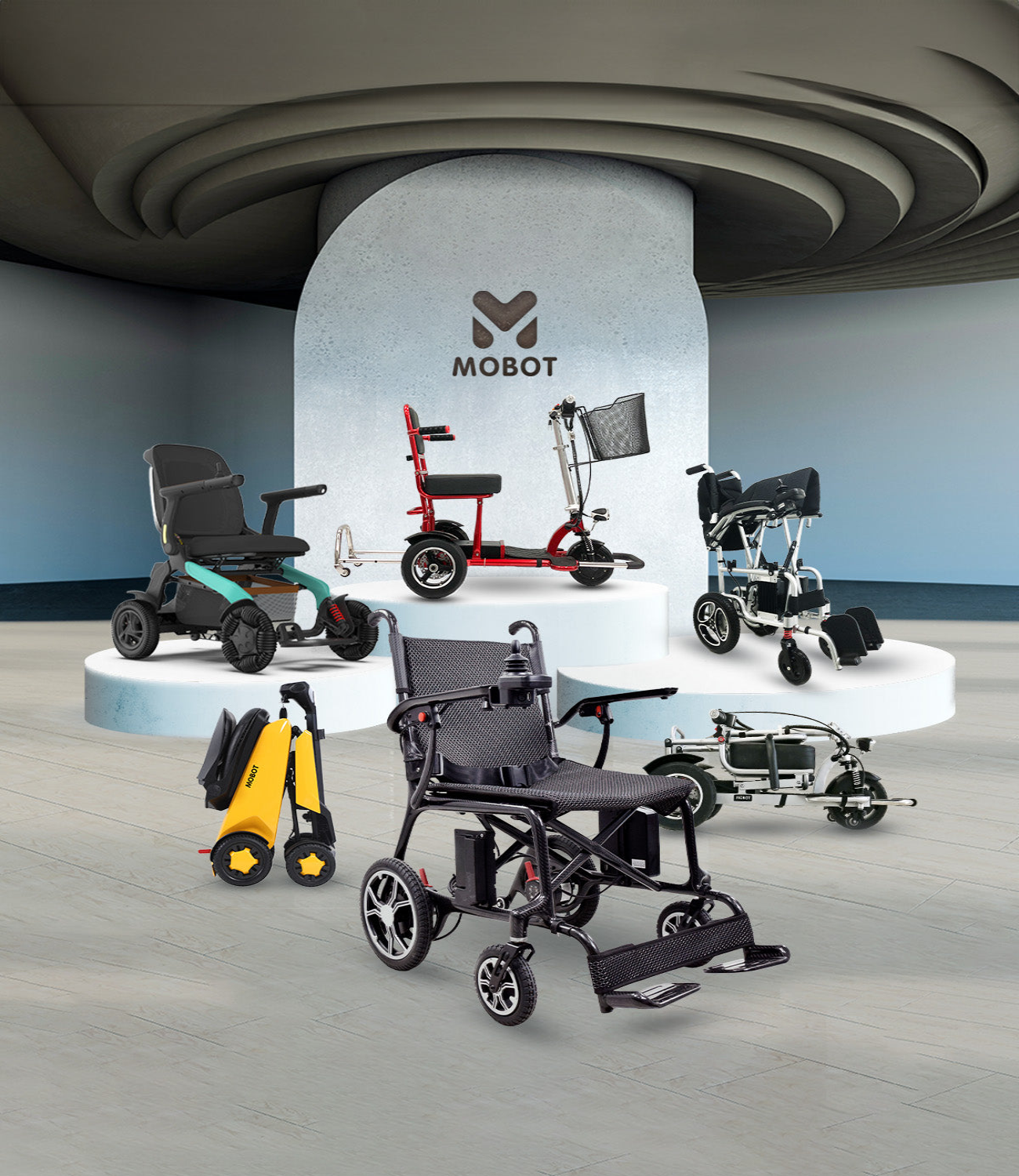
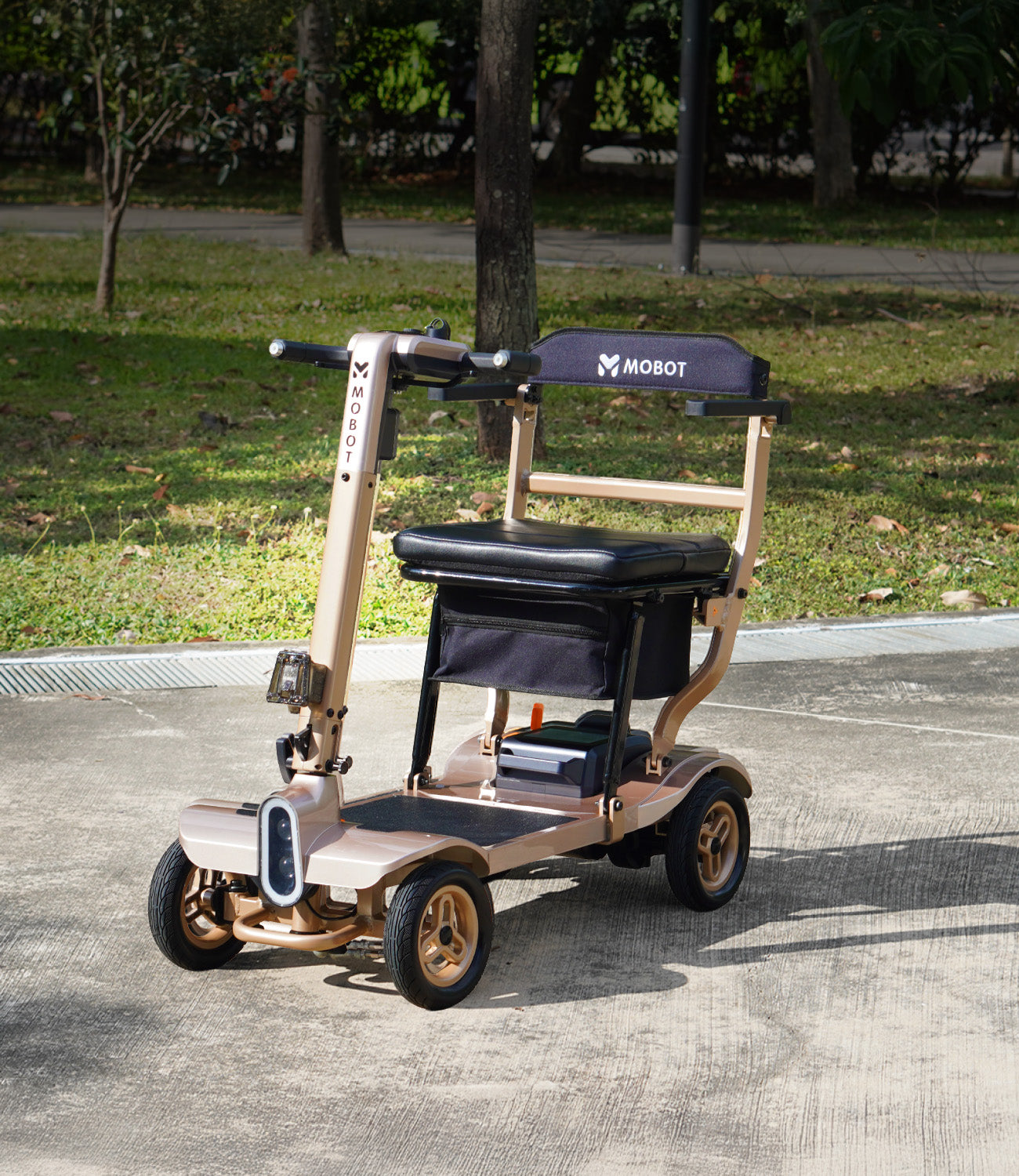
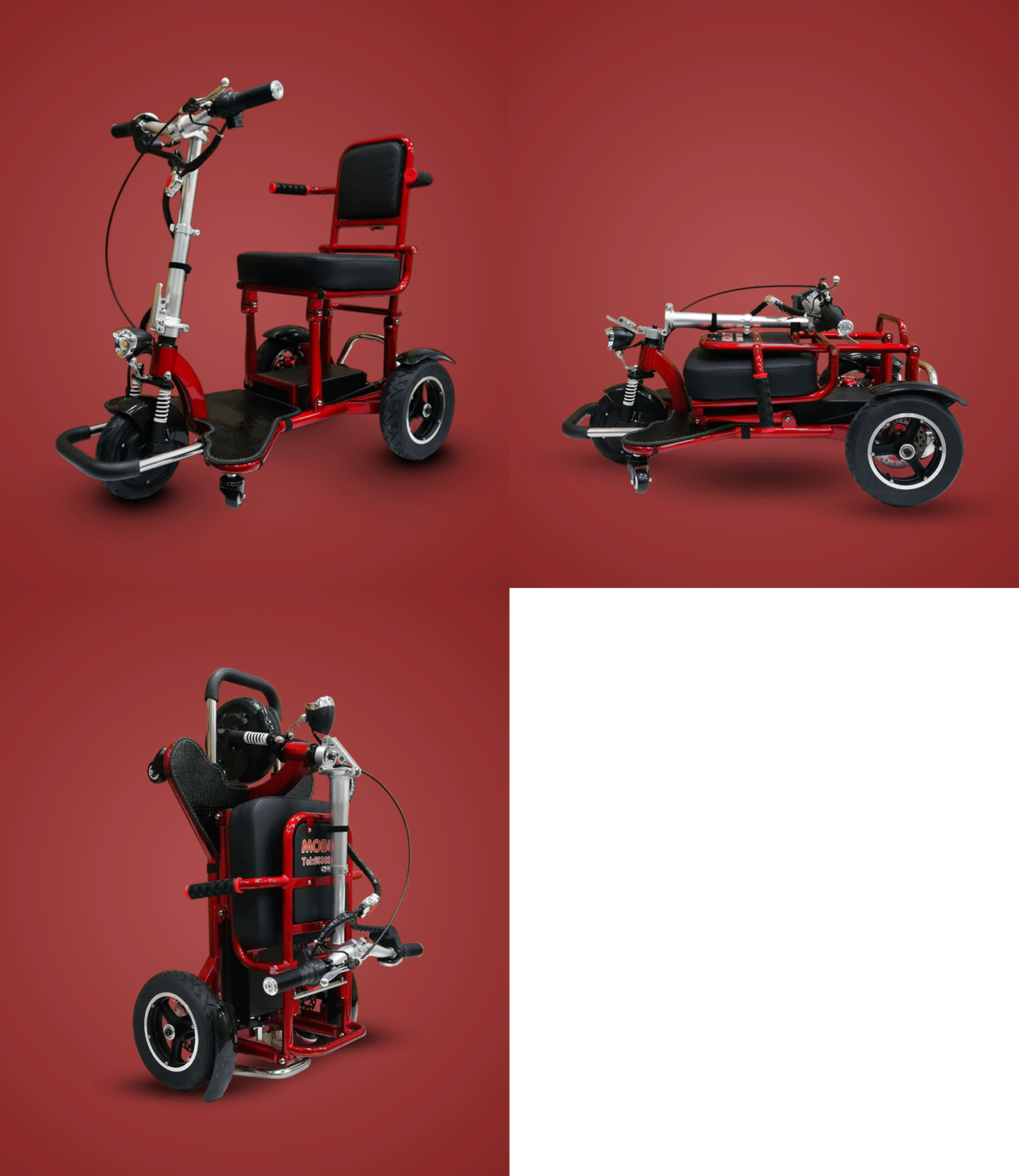

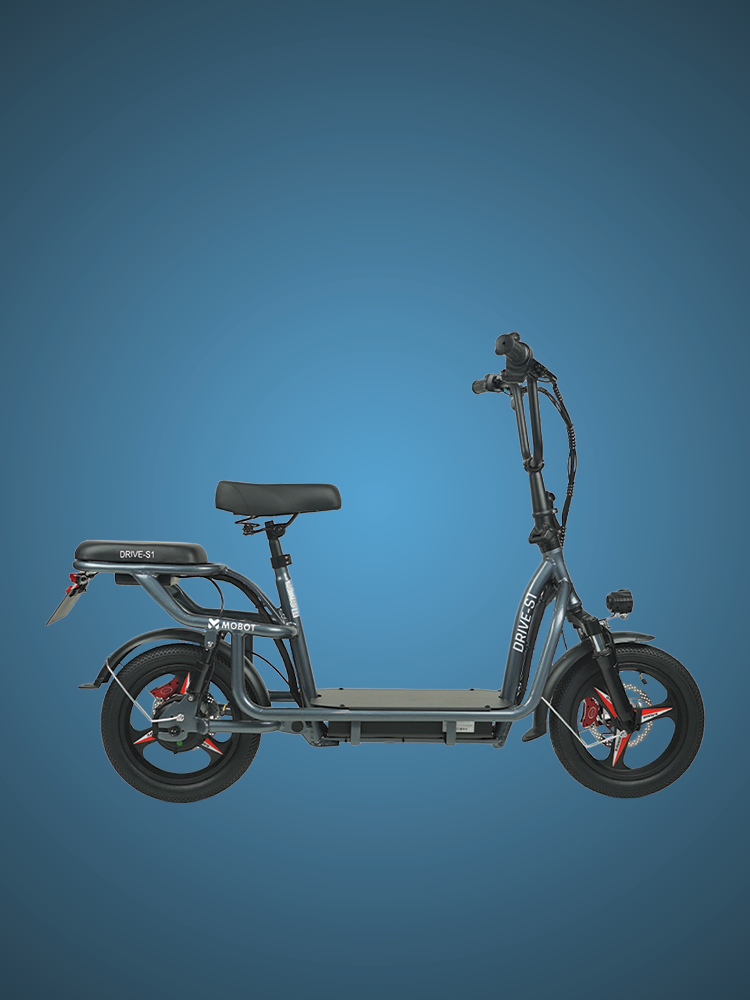




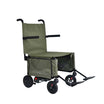
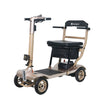
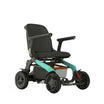
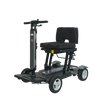





With stricter regulations in Singapore, buying a cheap motorised electric wheelchair or mobility scooter from overseas platforms like Taobao, Alibaba, Shopee, or Lazada is no longer just a “risky bargain.”
At first glance, these deals can look appealing, especially when electric wheelchairs and mobility scooters can be a significant investment.
But in Singapore’s 2026 regulatory landscape, the question is no longer just about price.
Quick Summary:
- Overseas mobility aids may be blocked at customs
- Many devices are not HSA-compliant or certified
- Batteries and chargers may be unsafe or illegal in Singapore
- No local warranty = high long-term cost
- Devices may exceed Singapore’s 6km/h speed limit
- Mobility scooters must be registered & inspected locally
- “Cheap” units are often old stock with degraded batteries
👉 Bottom line: Buying overseas is no longer worth the risk in 2026.
🚫 1. Risk Mobility Aid Being Stuck at Customs
In Singapore, motorised mobility aids (PMAs) are classified as:
👉 Class A Medical Devices (HSA regulated)
This means:
- Importers must hold a valid HSA licence
- Products must meet safety & certification standards
- Devices must be properly declared and approved
❌ What happens with overseas sellers?
Many:
- Skip licensing requirements
- Do not meet certification standards
- Under-declare or mislabel products
👉 Result:
- Singapore Customs can detain or reject your shipment
- HSA may seize the device under the Health Products Act
✅ MOBOT Assurance
- Most MOBOT PMAs meet EN 12184 certification, the primary recognised standard for proving the safety of electrically powered wheelchairs for import
👉 Giving you proven safety and compliance
🔥 2. Unsafe Chargers & Battery Fire Risks
This is one of the most overlooked and dangerous risks.
⚠️ Overseas devices often:
- Do NOT include Singapore SAFETY Mark chargers
- May use lower-quality battery cells
- May not optimised for Singapore’s environment
🚨 Why this matters:
In Singapore:
👉 SAFETY Mark is mandatory for AC adaptors
Without it:
- Higher risk of overheating
- Increased chance of battery fires
👉 You save upfront — but risk serious safety hazards
⚙️ 3. Looks Good Online — What About Critical Safety Features?
Many overseas listings look convincing, but what you don’t see is the problem.
🚫 Common compromises:
- Weak or thin frame structures
- Smaller, unstable wheels that get stuck easily
- Basic or unsafe braking systems
⚠️ Real risks we’ve seen:
- Devices sold without proper safe batteries
- Cheap braking systems that only work when powered
- Manual mode cannot brake when the battery dies
👉 This makes them unsafe as manual push chairs.
👉 Safety features should never be compromised for price.
🛠️ 4. No Local Warranty, No Service, No Spare Parts
Mobility aids require:
- Regular servicing
- Maintenance
- Replacement parts
With overseas/online sellers:
- ❌ No local service centres
- ❌ No warranty support
- ❌ Parts may be unavailable
👉 Result: You may end up buying a new device entirely. Higher long-term cost than buying locally
✔ At MOBOT:
- Dedicated service support across Singapore
- Spare parts availability
- After-sales accountability
🚫 5. Most Overseas Devices Exceed Singapore’s 6km/h Speed Limit
🌍 Max Speed of Global Mobility Aids:
- Standard e-wheelchairs: 6–10 km/h
- High-performance models: up to 16 km/h
- Mobility scooters: 6–13 km/h
⚠️ The problem:
- Sellers may misdeclare speed
- Devices may not be adjustable
- Risk of non-compliance and fines
✔ At MOBOT:
- Devices can be adjusted to meet 6 km/h requirements
- Fully aligned with upcoming regulations
📝 6. Overseas Online Sellers Cannot Register Mobility Scooters in Singapore
From June 1st, mobility scooters require a complex registration process before legal sale in Singapore:
- HSA listing (medical device approval)
- LTA application
- Physical inspection in Singapore
- Approval before sale
❌ Overseas sellers:
- Cannot complete this process
- Cannot legally sell compliant units for Singapore use
👉 Even if your device arrives — it may still be illegal to use
🔋 7. Cost of “Cheap” — Old Model, Degraded Battery
This is one of the biggest hidden problems with cheap imports. Many overseas or heavily discounted mobility aids are actually older, unpopular models that have been sitting in warehouses for months — or even years.
While they may look “new,” their battery condition tells a different story. That is why such cheap models often come with a 0 to 6 months' warranty.
🚨 Why this matters:
All mobility aid batteries naturally degrade over time, even if unused.
- Batteries self-discharge during storage
- Reduced lifespan: Voltage gradually drops
- Reduced Range: Advertised range ≠ real-world usage
- Old models: bulkier, less ergonomic and tiring to use
👉 This means:
You could be buying a “new” device that already has reduced experience and lifespan from day one
✅ Why Singapore Buyers Choose MOBOT
At MOBOT, we focus on:
✔ HSA-compliant devices
✔ LTA-ready mobility scooters
✔ Certified chargers (SAFETY Mark)
✔ Local warranty & servicing
✔ Proper speed compliance
✔ Fresh inventory & tested batteries
We don’t chase the lowest price. We prioritise safety, reliability, and long-term mobility for all our customers.
🤝 Need Help Choosing a Safe, Compliant PMA?
Visit any MOBOT showroom or explore our range online.
✔ Test before you buy
✔ Get expert advice
✔ Ensure full compliance
Because the right mobility aid doesn’t just move you, it gives you back your freedom.

Leave a comment
This site is protected by hCaptcha and the hCaptcha Privacy Policy and Terms of Service apply.