

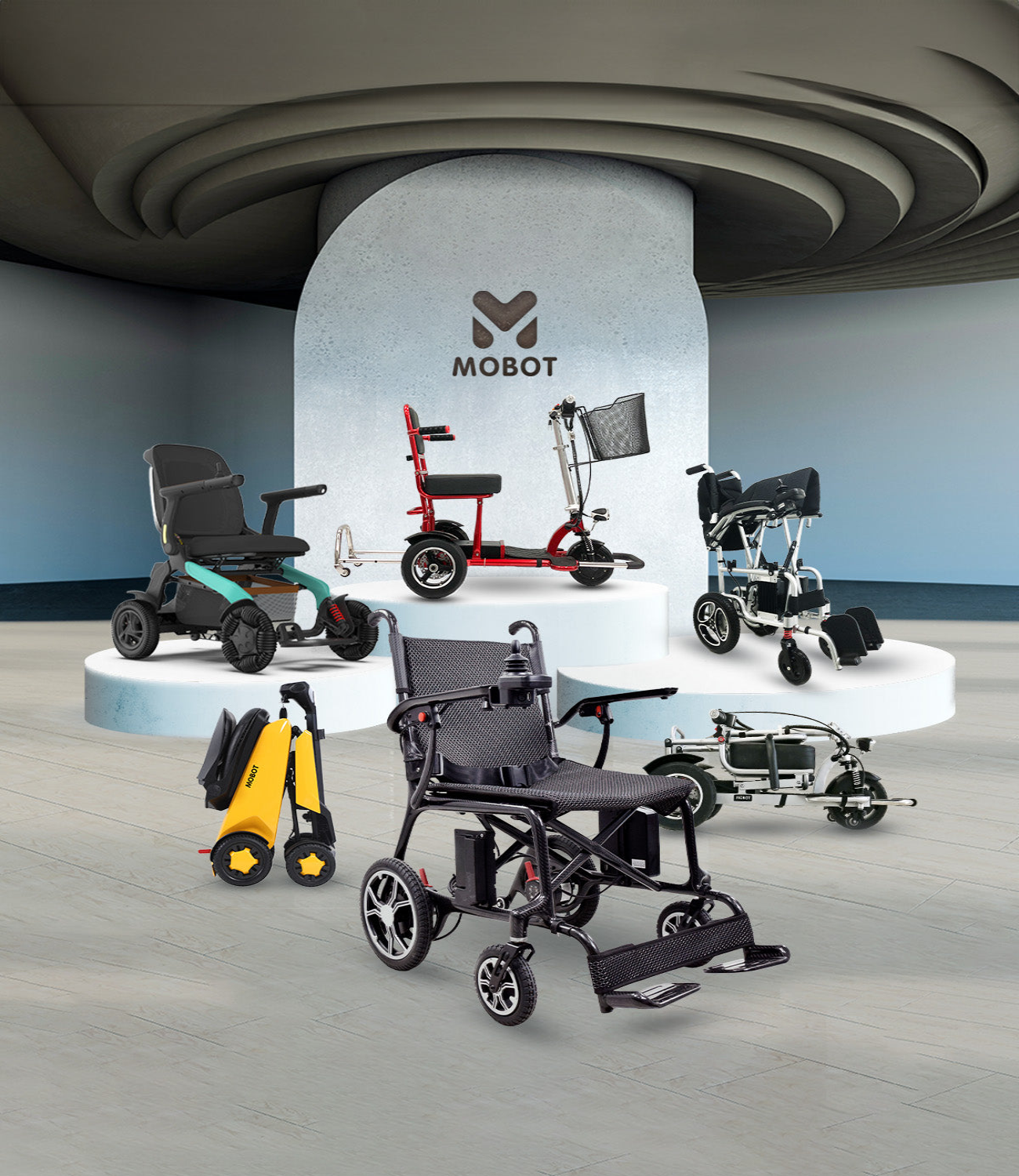
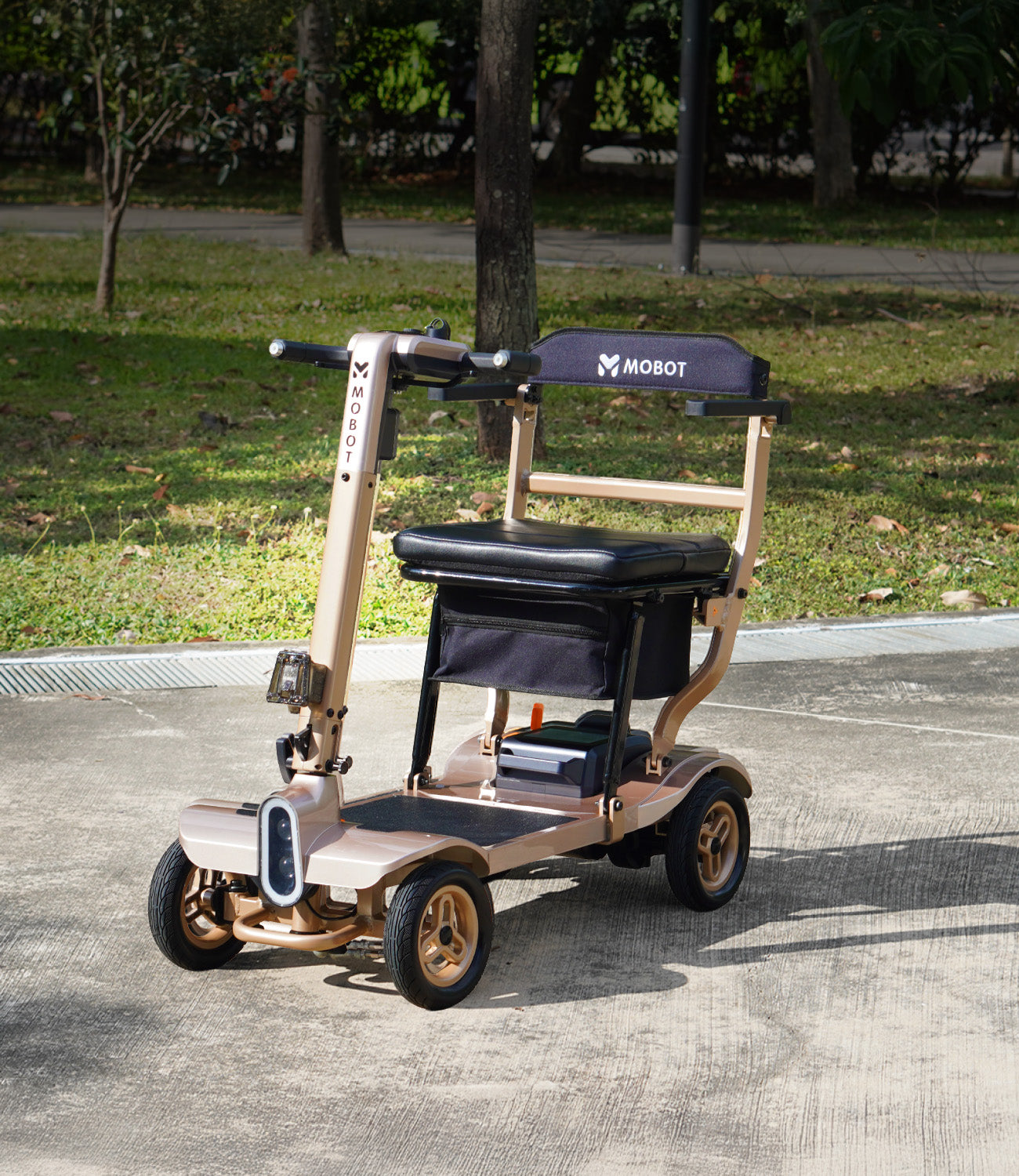




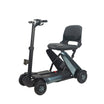
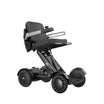
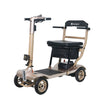
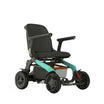



Hello fellow travellers, this is Charmaine from MOBOT! Throughout my time here at MOBOT, many of our customers have asked me what it’s actually like travelling with an electric wheelchair or mobility scooter. I am finally going on this journey myself — so here is a useful guide!
In this guide, I’ll cover:
- Understanding Rules
- Choosing the right mobility aid for travel
- Check-in Procedures with Airline
- Airline and Cruise Application
- Checking Accessibility
- Packing Tips for PMAs and senior travelers
- My Takeaways
Disclaimer:
This guide focuses on how a caregiver like myself help my dad choose a PMA and prepare it for travelling. Whether you’re planning a trip to Europe, Asia, or Australia, this guide will help caregivers all over the world to plan a trip with your loved ones ❤️
1. Understanding the Rules of Mobility Aids
Before you travel, it’s important to understand the regulations surrounding PMAs in your home country and your destination, since you are not just buying a device for overseas travels. Rules on mobility aids can differ significantly by region. For up-to-date rules in Singapore, check the LTA website.
Singapore PMA Rules
- Devices must have s maximum speed limit of 6 km/h
- Dimensions not exceeding 1.2m in length, 0.7m in width, and 1.5m in height.
- Users must also have a doctor's proof of walking difficulties
- Ensure the PMA has only one seat, and adhere to a maximum laden weight of 300kg
- Mobility scooters are legal on public paths, except roads.
Check the Rules of Your Specific Region
- Some states like Queensland require motorised mobility scooters or wheelchairs to be registered while other states do not have this requirement.
Tips for International Travel
- Check the destination country’s rules for size, speed, weight, and battery type.
- Research local accessibility laws for sidewalks, ramps, and public transport.

2. Choosing the Right Mobility Aid for Travel
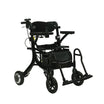
When bringing a PMA overseas, many would prefer a device that is easily foldable and lightweight so it is easier to handle. However, you should also consider the ease of controlling the device, its safety and durability as terrains beyond your home country often come with surprises.
Safety Certifications & Airline Requirements
- UN38.3 Certification: Mandatory for lithium batteries. Airlines will not accept devices without this documentation.
- Airline Approval: Contact your airline at least 2 weeks in advance to confirm approval for your device.
- Product Documentation: Keep manuals and safety certificates with you.
- Power Down: Turn off your device to prevent accidental activation.
- Battery Handling: Follow airline instructions; some may require removal, others allow it attached if protected.
Key Considerations When Choosing a PMA
1️⃣ Physical Capabilities
- Can your parent safely control a joystick, throttle, or lever?
- Can they walk short distances?
- If no, a wheelchair is more suitable.
2️⃣ Usage & Environment
- Will it be used on slopes, uneven paths, or cobblestones?
- If yes, a 4 wheeler with suspension and solid tyres is ideal.
- Look for gradability, larger wheel size, anti-tip wheels, and suspension if uneven terrain and slopes are common.
- For travel: foldability, battery range, and weight matter.
3️⃣ Weight Capacity & Dimensions
- Ensure that the device's maximum load is suitable for you
- Ensure comfort and safety based on height and body type.
4️⃣ Adjustability & Adaptability
- Seat height, armrests, and controller positions make a big difference in comfort.
5️⃣ Extra Features
- Storage compartments are extremely helpful especially when travelling
- USB ports, remote or app-enabled controls (like MOBOT ROBOWHEEL) add convenience.
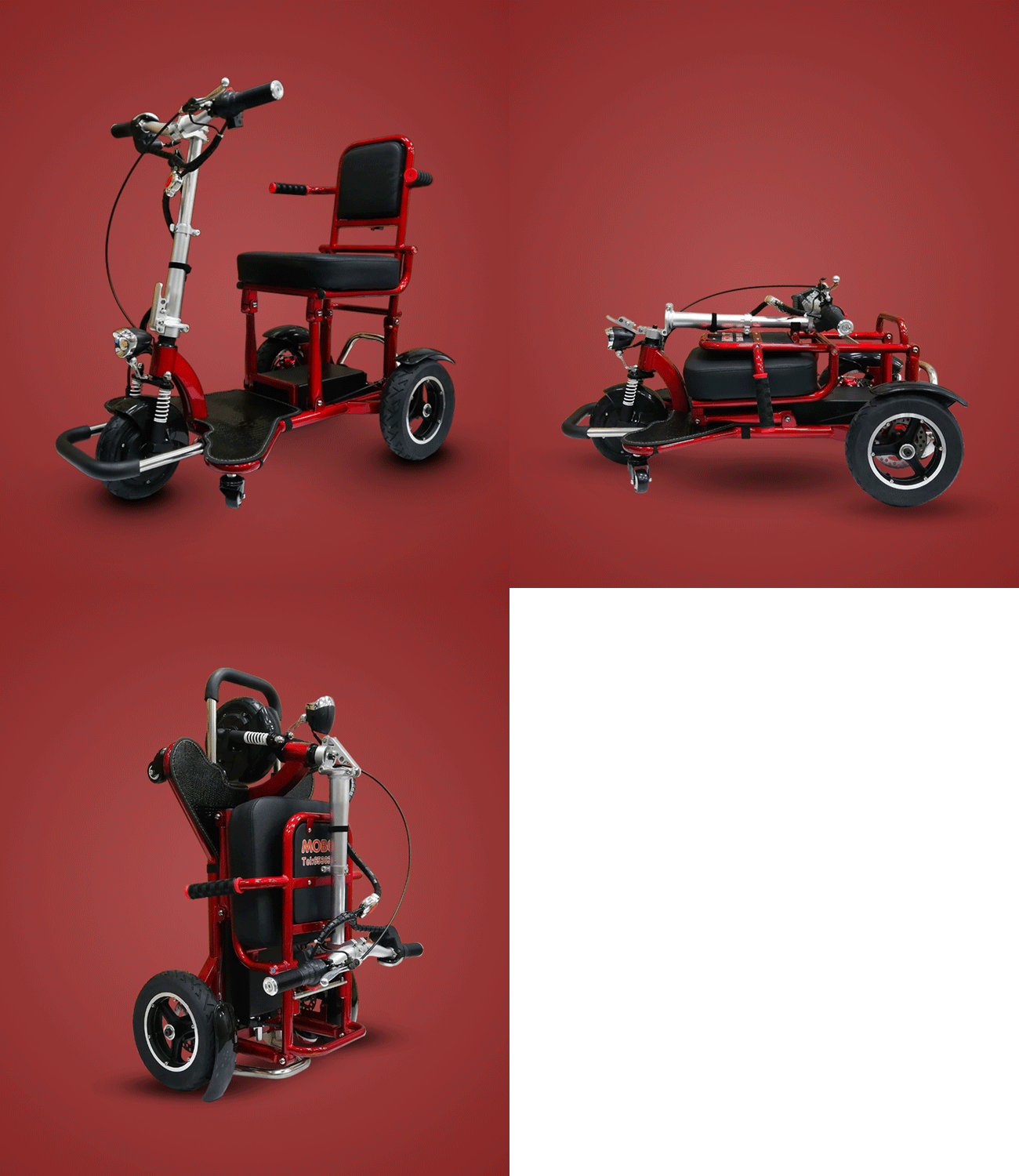
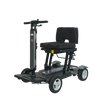
Our Choice: My dad selected the FLEXI Titan, which he finds easy to maneuver due to its three-wheel design and small turning radius. He’s a licensed driver, so handling it was intuitive for him despite having weaker grip on his right hand! 😄

3. Traveling With a Mobility Aid on Airlines
Battery Safety Tips
- Lithium-ion batteries must always be hand-carried, never checked in.
- Read your airline’s mobility aid policy at least one month in advance. Email or call if details aren’t online.
Two Ways to Travel With Your PMA
-
Ride until the boarding gate – Airport staff transport the device to cargo during your boarding.
- Be cautious: ground contact under high heat may damage tyres.
- Shared by frequent flyer with the FLEXI Titan, Singapore Paralympic archer Syahidah Alim.
- Boarding first may mean exiting last.
- Be cautious: ground contact under high heat may damage tyres.
- Check in with baggage – More convenience if the user can walk short distances.
-
- I chose this option as we prefer having more freedom and independence when approaching the gate as a large group
- Exit the plane normally, do not need to wait for assistance
Tip: Some airlines allow two mobility aids free of charge! Always confirm airline policies to avoid extra fees.
4. Application With Airlines & Cruises
Battery Requirements
According to International Air Transport Association (IATA), there are three types of batteries for mobility aids:
- Lithium: Must be UN38.3 certified; MSDS may be requested
- Non-Spillable Wet/Dry Cell: Must comply with Special Provision A67
- Spillable Wet Cell: Some airlines/cruises prohibit due to leakage risk
✅ All MOBOT’s airline-friendly devices already meet these requirements! The certification documents can be found under MOBOT’s resource page.
Typically, airlines allow:
- 1 removable battery ≤ 300Wh OR
- 2 batteries ≤ 160Wh each
They may also allow you to bring a spare set. However, this varies across airlines, so always double-check!
💡 Quick Tip:
Watt hours (Wh) = Amp hours (Ah) × Voltage (V)
Size & Weight Restrictions
- Check the airline/ship’s maximum dimensions and weight
- Measure your PMA before submission
Application & Check-In Tips
- Submit device dimensions, weight, battery type, and certifications at least 2 weeks before your flight
- Based on my experience, submitting the application 48 hours beforehand is insufficient to receive the airline approval letter
- Tape battery terminals and store in protective pouch
- Print all approval documents
- Optional: add a label showing how to handle the device for airport staff
Cruise Considerations
- Request wheelchair assistance at least one month in advance
- Accessible cabins are limited and allocated first-come, first-served
- Some ships allow parking mobility devices only in cabins

5. Checking Accessibility of Accommodation, Transport, and Attractions
Accommodation
- Lift access — many European apartments only have stairs
- Spacious rooms for indoor PMA use
- Accessible bathrooms with grab bars
- Use keywords like “wheelchair accessible” or “barrier-free”
Transport
- European trains often have gaps/steps; be prepared to fold device or research on staff assistance at stations
- Buses may have wheelchair buttons to signal the driver
- Find out apps that can help you find accessibly routes
- For London, apps like TFL Go helps in finding step-free routes and lift access
Attractions
- Confirm mobility aid access
- Check for ramps/elevators
- Look for senior, disabled or caregiver discounts
- For example, attractions like the Windsor Castle provides free "access companion" ticket for caregiver who accompany a paying disabled visitor
6. Packing Tips for Mobility Scooter Travel
Essential items for FLEXI Titan and elderly travelers:
Must-Haves for Travelling
- 2 batteries with tapped terminals in ziplock bags
- Charger & travel adaptor
- Printed battery documents & test reports
- Printed PMA info sheet
Comfort & Convenience
- 2 portable foldable stools
- Bicycle Lock
- Anti-theft alarm device
- Foldable front basket
- Foldable laundry basket for FLEXI's retractable rear tray
- Umbrella & holder
Bonus Items
- MOBOT Bicycle Tool Kit
- Rear light for visibility
- Small first aid kit
- Side mirrors (for users with limited neck mobility)
- Thermal flask
- Adult diapers (for standby)
- Medications
Quick Tip: Always secure batteries, tape terminals, and keep documents handy.
7. Final Takeaway
Traveling with my dad has been an incredible experience. Planning for a mobility aid can seem daunting, but it’s all worth it.
It has been such an eye-opening experience. When I first started planning, it really seemed like such a challenge — having to plan the trip while thinking about the logistics of the PMA, reading up on policies, thinking about what I need to bring, and even preparing for the wet and cold weather. But looking back now, I’m so glad we did it.
Because what I realised is that a mobility aid — like our FLEXI Titan — isn’t just about moving from one place to another.
It’s about freedom.
It’s about giving someone you love the ability to explore, to join every moment, and to feel included again.
There were challenges, of course — tight lifts, finding accessible exits, and those long travel days. But seeing my dad’s face light up as he cruised through the streets of Europe made every bit of planning worth it.
And as someone from MOBOT, I’ve spoken to countless families over the years about choosing the right device. But this trip — experiencing it firsthand as a caregiver — really gave me a deeper appreciation for what our customers go through.
If you’ve been thinking about bringing your parents overseas but are unsure whether it’s possible — it definitely is.
With the right preparation, the right mindset, and the right mobility aid, you can make it happen too.
❤️ Because at the end of the day, it’s not about the destinations we visit — it’s about the memories we make together.
Follow MOBOT on our TikTok, Instagram, or Facebook for more PMA tips and real-life stories from caregivers and users. Let’s help seniors enjoy the mobility freedom they deserve, one journey at a time.
#Mobot #AccessibleTravel #MobotMobilityAidTravelSeries #AccessibleAccommodation #AccessibleTourism #WheelchairTravel #MobilityScooter #ElderlyTravel #TravelWithParents

Leave a comment
This site is protected by hCaptcha and the hCaptcha Privacy Policy and Terms of Service apply.