













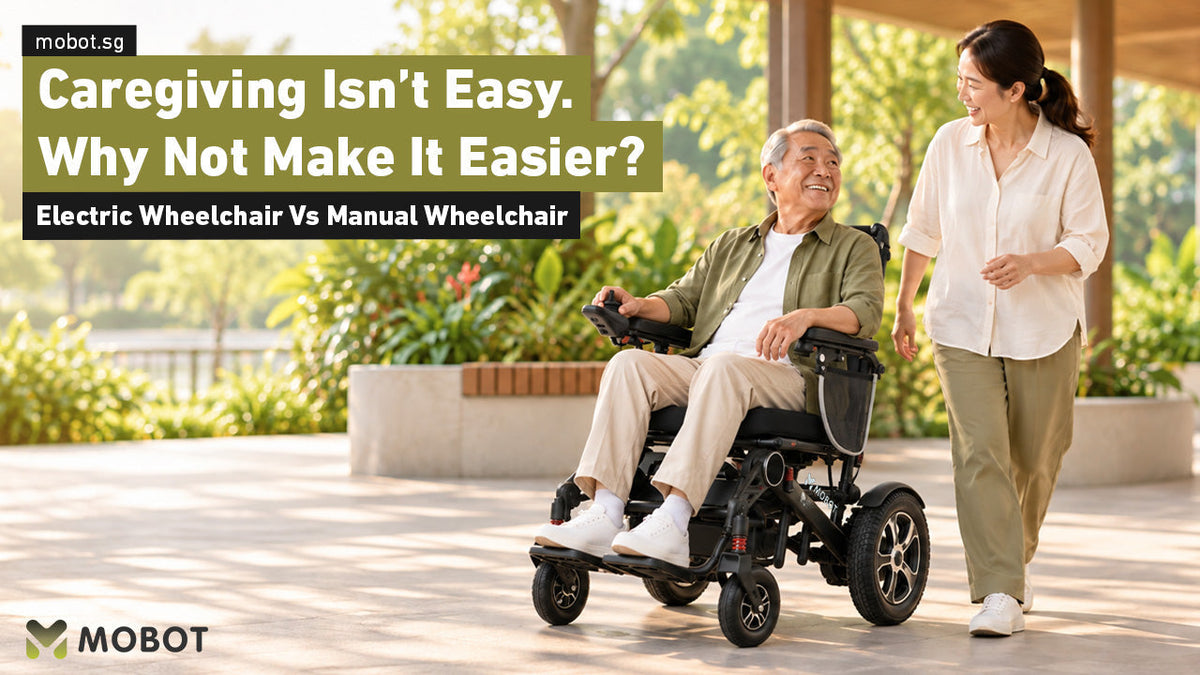
Caregiving is an act of love, but love does not make the physical and emotional load disappear.
When an elderly parent relies on a manual wheelchair, every outing may depend on someone being ready to push. The caregiver may feel tired or worried about managing ramps and longer distances. The parent may notice that strain and quietly stop asking to go out.
An electric wheelchair will not suit every family. But for the right user, it can give a parent more control while allowing the caregiver to support them without carrying the full burden of every journey.


When going out starts to feel heavy
Pushing a manual wheelchair can be tiring, especially over slopes, uneven paths or longer distances. Repeated effort can place strain on the caregiver’s back, shoulders and wrists.
The emotional weight can be just as real. Caregivers may feel guilty for being tired. Parents may feel guilty for needing help. Sometimes both keep quiet because neither wants to worry the other.
That can slowly turn an ordinary family outing into something everyone avoids.
What powered mobility can change
More control over small decisions
With an electric wheelchair, a user who can operate the controls safely may decide when to move, stop, turn or approach someone.
They do not have to ask another person whenever they want to look at something, move into the shade or join a conversation. These everyday choices can restore a meaningful sense of control and help the user participate more actively in social settings.
Less quiet guilt
Some elderly parents avoid asking to visit a shop, park or family member because they do not want a loved one to struggle. Powered mobility can reduce the effort of pushing, helping an outing feel shared instead of one person doing all the work.
Protecting the caregiver’s health
Repeatedly pushing an adult—especially over ramps, uneven paths and longer distances—can strain the caregiver’s back, shoulders and wrists.
An electric wheelchair reduces the amount of pushing required during suitable journeys. This may help caregivers avoid repeated overexertion and make outings more manageable over the long term.
It does not remove every physical task. Caregivers may still need to help with transfers, loading, positioning or difficult surroundings.
More energy for the destination
Mobility should help someone take part in life, not use up all their energy getting there. Powered movement can help the user save their strength for conversation, meals and time with family.
Walking together, not always from behind
When pushing a manual wheelchair, the caregiver usually walks behind the user. This can make conversation less natural and may leave the wheelchair user feeling like a passenger.
When the user can operate an electric wheelchair safely, the caregiver may walk beside them instead. They can talk more easily, explore at a shared pace and approach shops, tables or family members together.
This small change can help an outing feel more like time spent together and less like a caregiving task.
Independence with support when needed
Independence does not mean the caregiver disappears. It means support can be given without taking away every choice.
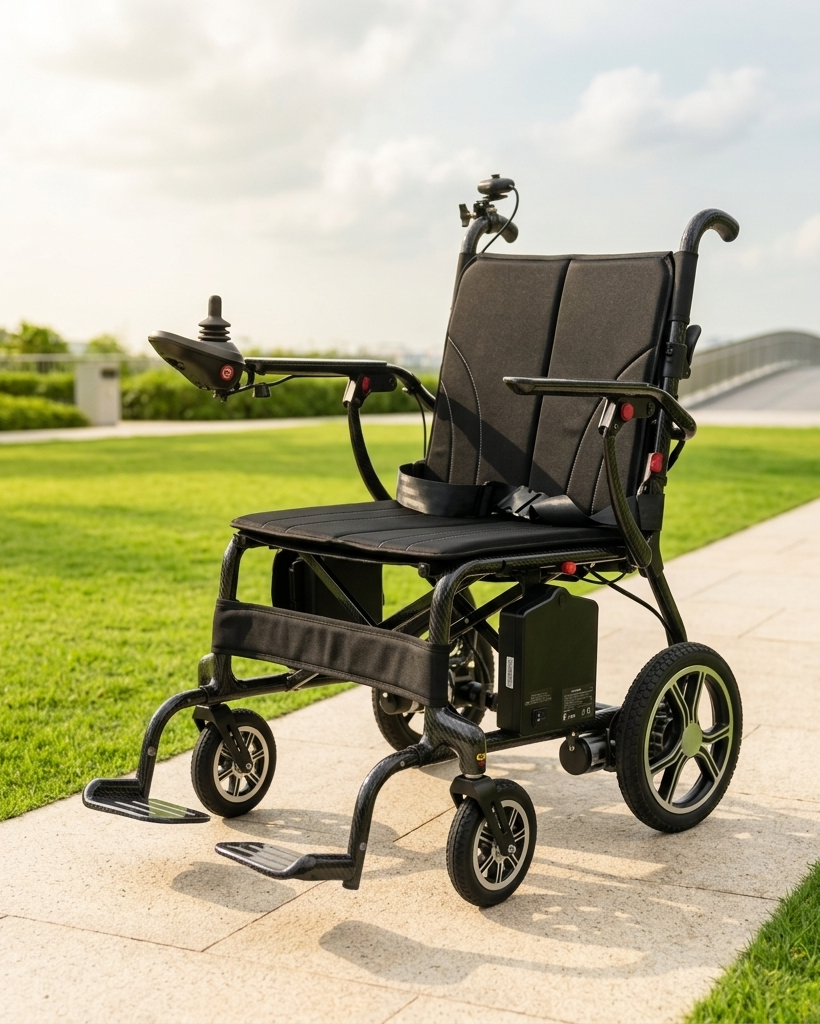
Some electric wheelchairs also include caregiver-assist controls. The user may operate the main joystick when they are comfortable, while a caregiver can assist from behind when needed. Families should check the controls on the exact model and test them together before deciding.
When a manual wheelchair may still be suitable
A manual wheelchair may remain the practical choice when it is mainly used for short trips, the user always has reliable assistance, or the family prioritises a simpler and generally lighter mobility aid.
An electric wheelchair usually costs more and requires charging, safe handling and confidence with the controls. It may also take up more room. The right choice depends on the user’s abilities, daily routes, home layout and transport needs—not only on which option has more features.
Families should also consider how the user’s mobility needs may change. If self-propelling a manual wheelchair is already difficult, a suitable electric wheelchair may remain more practical as the user’s strength or endurance changes.
However, this should not be treated as automatic “future-proofing.” The user must still be able to operate the controls safely, and their needs should be reviewed if their condition changes.
Begin with a conversation
Try not to begin with “You need an electric wheelchair.” Begin by asking:
- Are there places you have stopped asking to visit?
- Would you like more control over where and when you move?
- What would help you feel safe and comfortable?
- When would you want caregiver assistance?
Choose together and test together. The aim is not to force independence, but to make everyday life easier for both people.
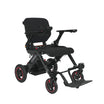
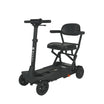
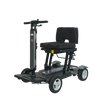
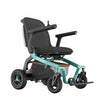
Electric wheelchairs with caregiver assistance

MWHEEL MG 2.0
Electric wheelchair with caregiver assistance.

MWHEEL Carbon Plus 2.0
Electric wheelchair with caregiver assistance.

MWHEEL Carbon 2.0
Electric wheelchair with caregiver assistance.
Frequently asked questions
Does an electric wheelchair remove the need for a caregiver?
No. Some users still need help with transfers, routes, crowded areas or unfamiliar environments. The difference is that the caregiver may not need to provide all the pushing effort.
What if my parent feels nervous about using one?
Start slowly in a quiet, open area. Let them practise stopping, turning and adjusting speed. A test ride can help both the user and caregiver understand whether the controls feel manageable.
Is an electric wheelchair always better than a manual wheelchair?
No. A manual wheelchair may be better for occasional use or families who need a simpler mobility aid. An electric wheelchair may be more useful when independence, caregiver strain or longer daily movement is the main concern.
What should the family test before buying?
Check seating comfort, control placement, braking, turning space, doorways, lifts and transport arrangements. Consider whether the wheelchair is suitable for the user’s usual routes and any slopes encountered. If the model includes caregiver assistance, both people should test the rear control and agree on when it will be used.
Ultimately, the right mobility aid should support both the user and the caregiver. For a suitable user, an electric wheelchair can provide more control, reduce repeated pushing and help outings feel like shared experiences again—with less focus on the physical effort of getting around.











Leave a comment
This site is protected by hCaptcha and the hCaptcha Privacy Policy and Terms of Service apply.