

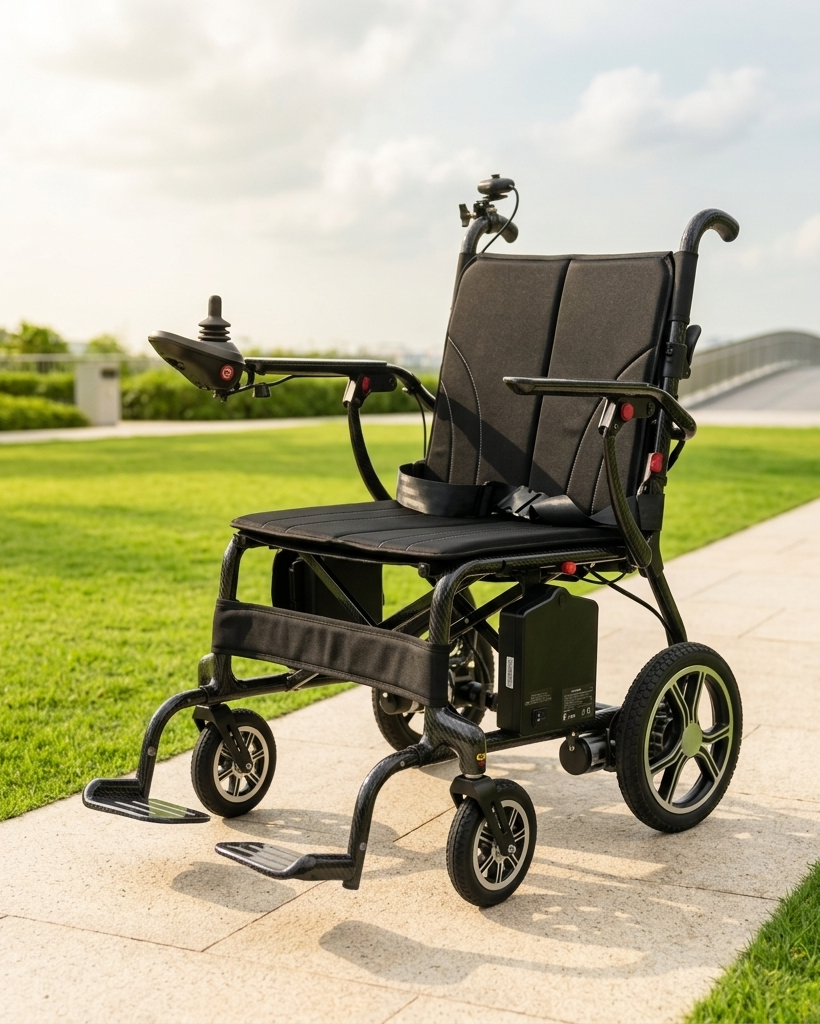
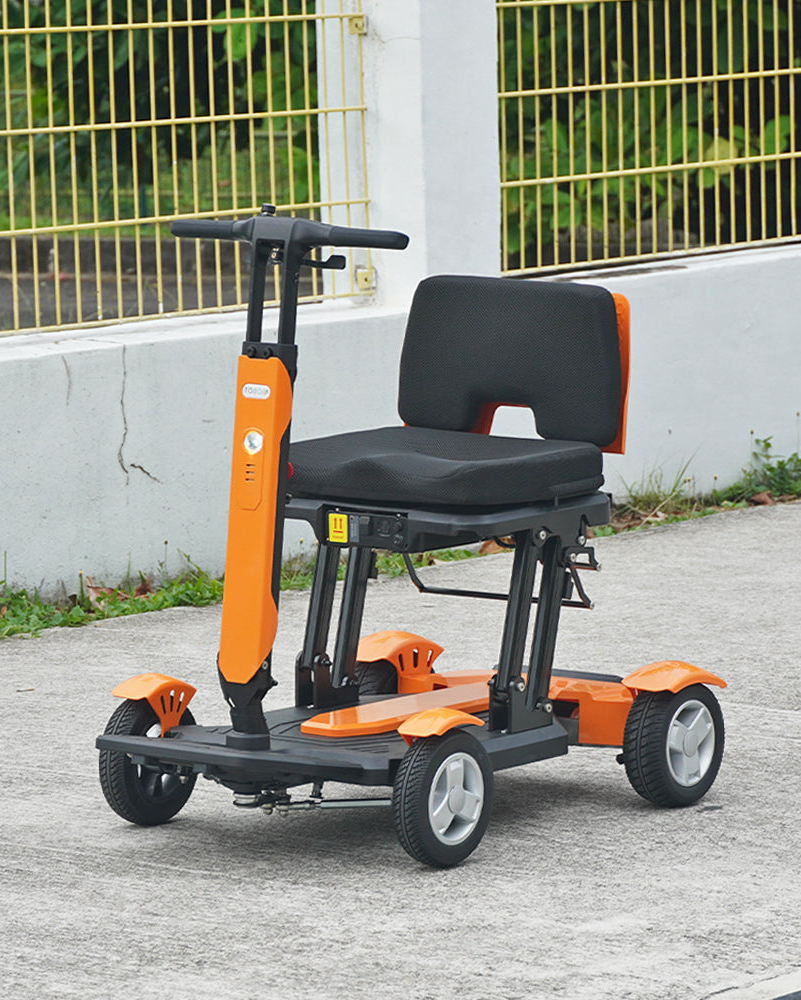
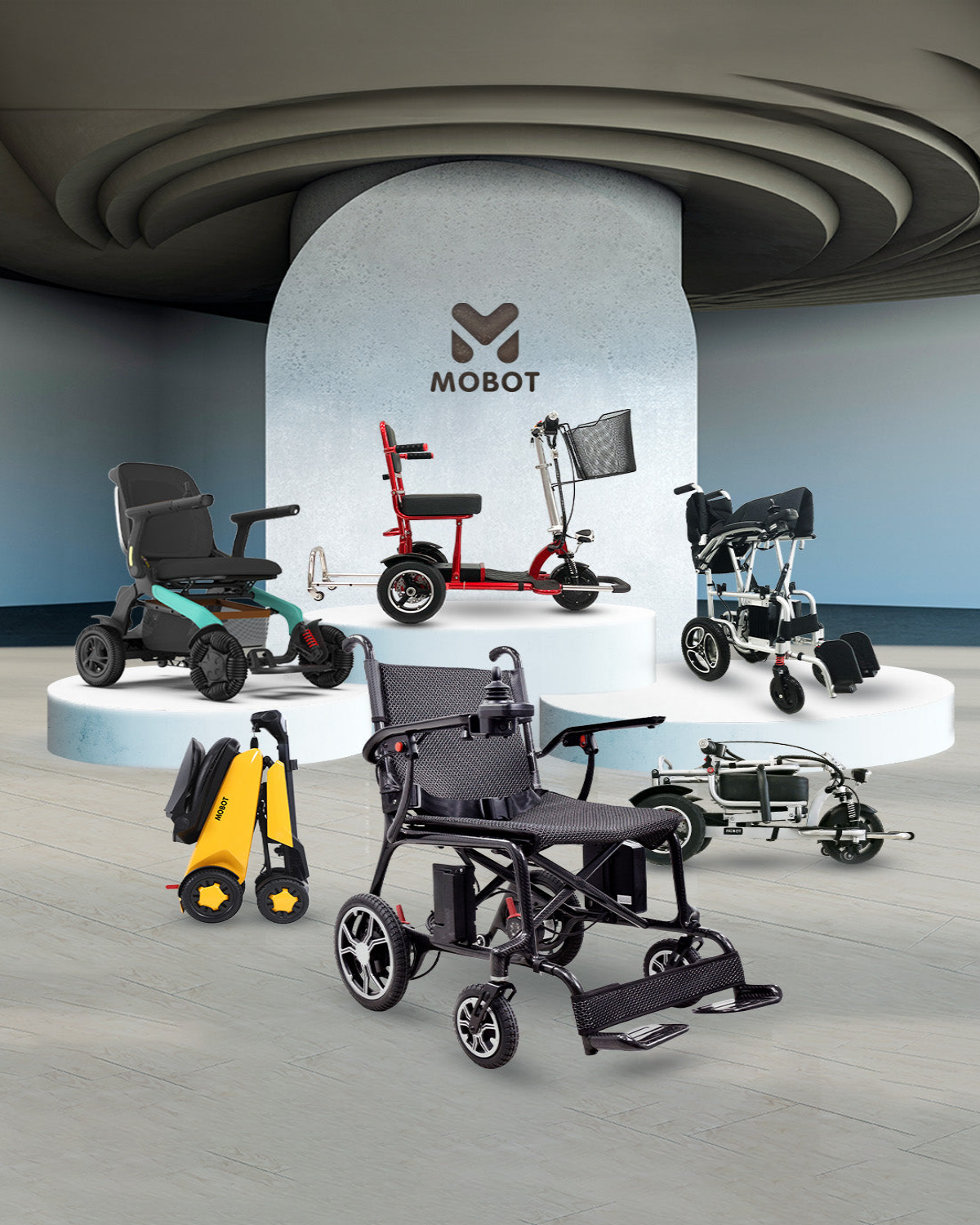

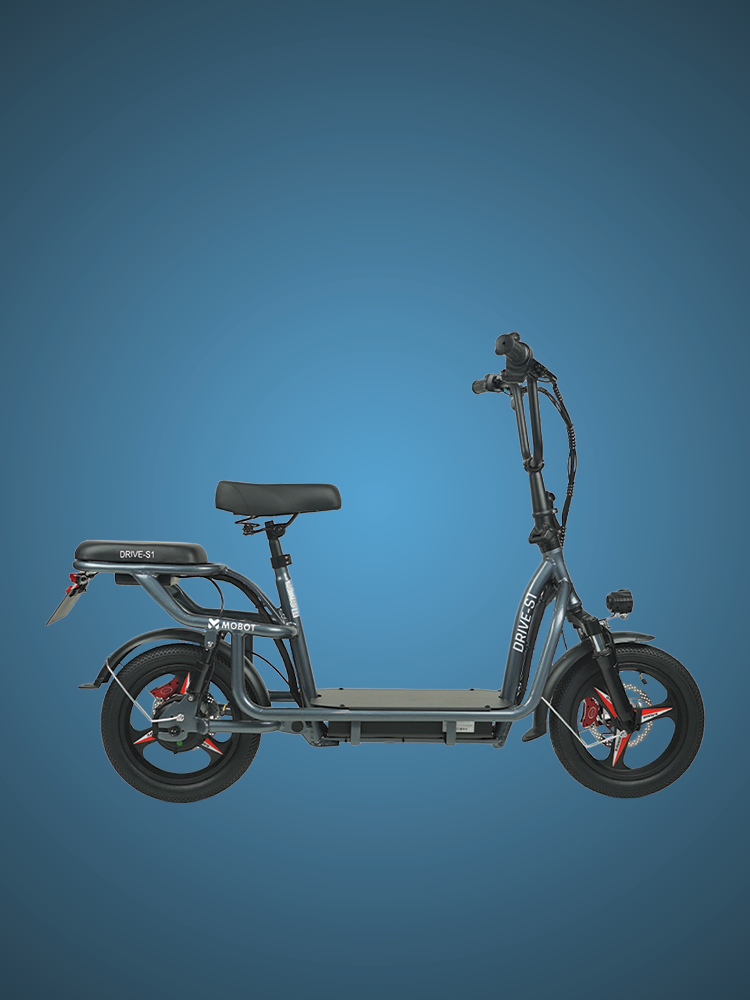

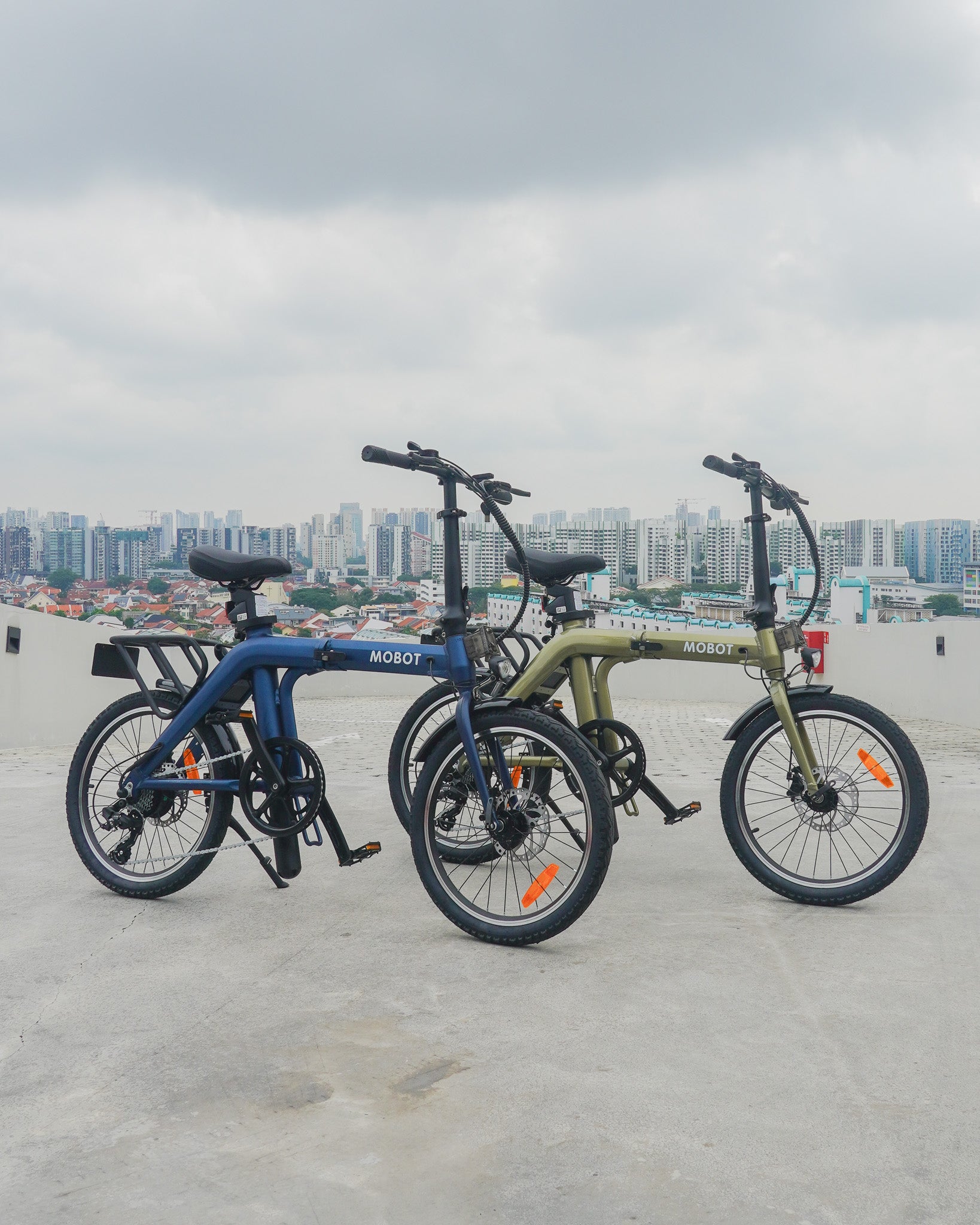
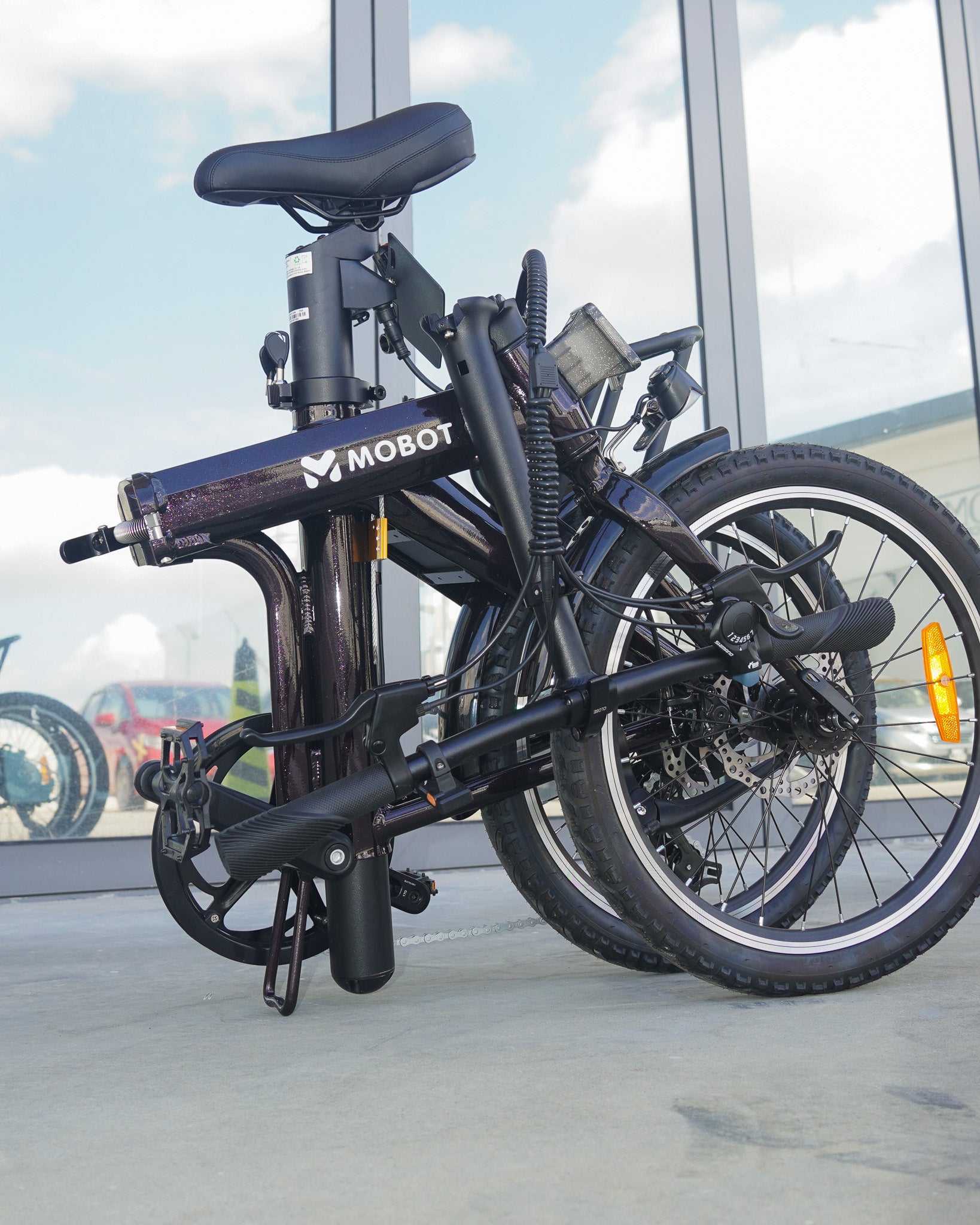



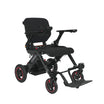
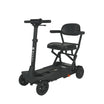
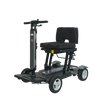
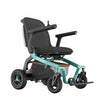



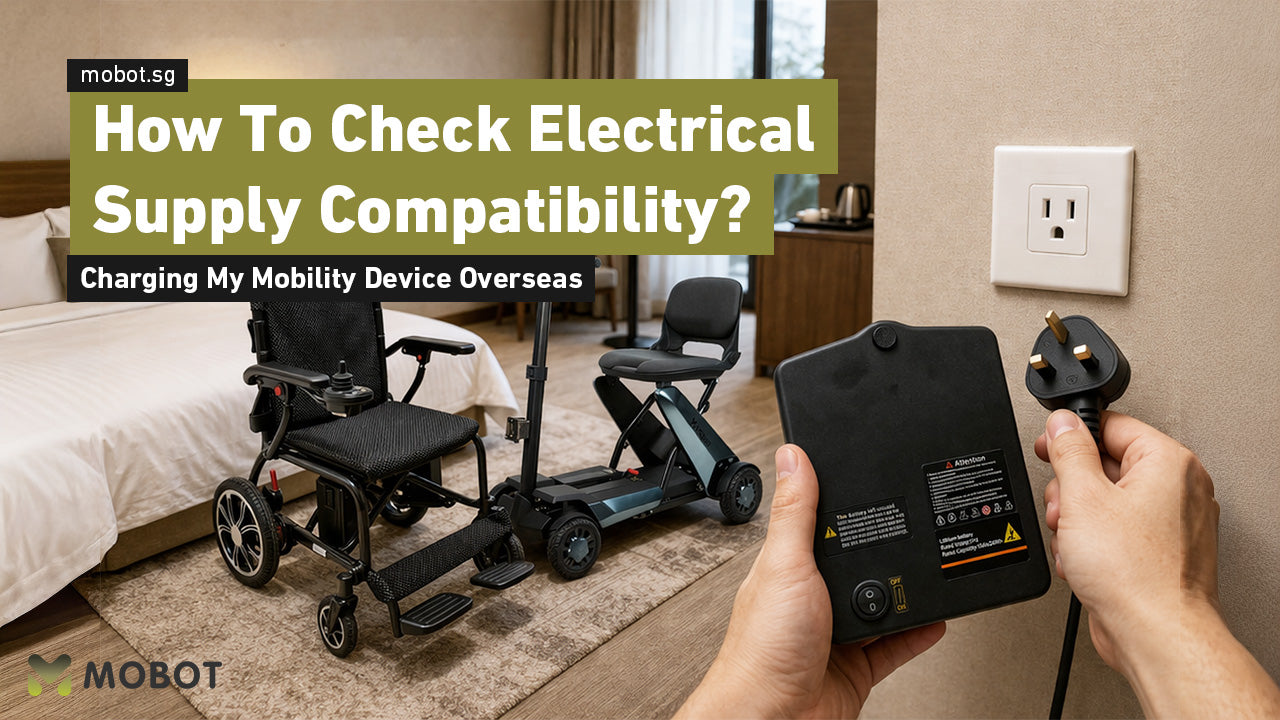
Travelling overseas with your mobility device is becoming more common — especially for users who rely on it daily for independence and convenience.
One of the most common concerns we hear is:
👉 “Can I charge my MOBOT mobility device overseas safely?”
👉 "Is the power supply sufficient or too much for my charger?”
The good news is — For MOBOT chargers, YES, you can charge in most cases!
👉 Watch our reels over here:
🔍 Step 1: Check Your Charger's Input Voltage
Before your trip, take a quick look at your charger.
You can find the Input specification:
- On the charger label
- Or inside the user manual
👉 Look for something like:

If it shows:
- ✅"Input: 100–240V" = Dual-Voltage Great, most countries' power supply is within this range!
- Just bring a travel adapter
- MOBOT chargers
-
⚠️ A single voltage like "Input: 110V" = Stop!
- If the power supply does not match your charger's voltage, you need to rent a local charger or a heavy-duty transformer.
- To avoid blowing up the mobility aid, you must ensure the rented charger’s OUTPUT matches your battery voltage:
- Output Voltage: Must match exactly (e.g., if the battery is 24V, the charger must say Output: 24V).
- If the power supply does not match your charger's voltage, you need to rent a local charger or a heavy-duty transformer.
- ❌ Do not use a travel converter as they are meant for low-power, short-burst devices like hair dryers.
🧭 Step 2: Check the Country’s Power Supply
Just to be sure, check the Voltage Supply & Plug Type of your destination country.
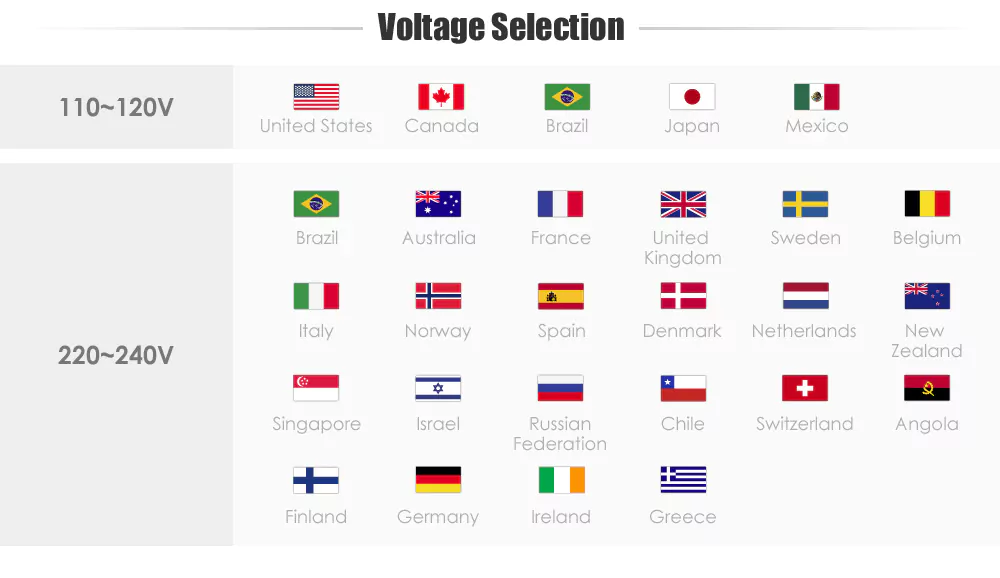
(Photo Credits: Shop 4 Room)
👉 For updated list worldwide, you can refer to this global guide:
https://www.worldstandards.eu/electricity/plug-voltage-by-country/
⚠️ Countries Where You Should Double Check
While most countries fall within a compatible 110–240V range, but you should take extra care when travelling to:
- Japan (some regions use ~100V only)
- USA & Canada (~110–120V systems)
- Certain parts of South America
- Older buildings or rural areas with unstable voltage
👉 In these cases, always confirm compatibility before charging.
🌍 Good News: MOBOT Chargers Work in Most Countries
Most MOBOT chargers are designed with dual-voltage input, typically:
- 100V – 240V, or
- 110V – 240V
This means your device can be safely charged in most countries worldwide, without needing a voltage converter.
This reflects MOBOT’s focus on reliable, travel-friendly mobility solutions that support your lifestyle globally
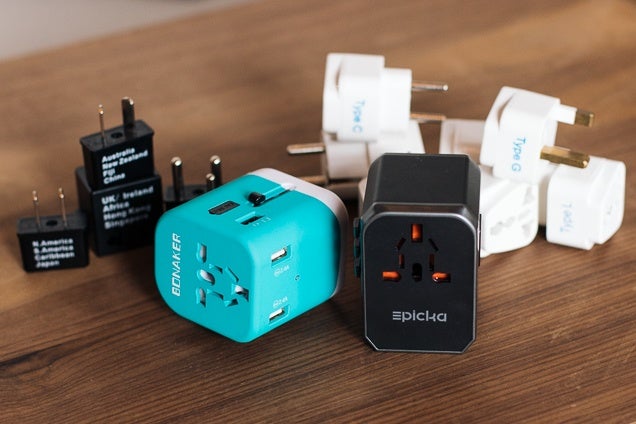
🔌 Step 3: For MOBOT Chargers, You Just Need a Travel Adaptor.
Check the outlet type of your destination country before buying your travel adaptor.

(Photo Credits: Cable Matters)
(Photo Credits: The New York Times)
⚠️ Safe Charging Tips When Overseas
Even when travelling, safe charging is still essential.
🔋 Do Not Overcharge
- Avoid charging overnight
- Do not exceed the recommended charging duration
🔥 Monitor While Charging
- Charge in a visible, ventilated area
- Avoid leaving it unattended for long periods
🛠️ Use the Original Charger Only
- Always bring your correct, original charger
- Avoid third-party or incompatible chargers
👉 This is important, as uncertified chargers may cause overheating or fire risks
🌡️ Charge in a Safe Environment
- Avoid extreme heat or humidity
- Keep away from flammable materials
✈️ Final Advice Before You Travel
Travelling with a mobility device should give you more freedom, not more stress.
As long as you:
- Check your destination’s power supply
- Confirm your charger compatibility
- Bring a travel adaptor
- Follow safe charging practices
👉 You can confidently use your device overseas.
✅ Conclusion
MOBOT devices are designed to support your mobility both locally and internationally — safely and reliably.
If you’re planning your next trip, a little preparation goes a long way.
👉 Need more tips for travelling overseas with your mobility device?
Read our full guide here: How To Travel With A PMA
Have a safe and pleasant journey ✈️

Leave a comment
This site is protected by hCaptcha and the hCaptcha Privacy Policy and Terms of Service apply.